A teaching case from Tourism Kingston. On heritage architecture, the agency of choice, and why quiet is infrastructure, not amenity.
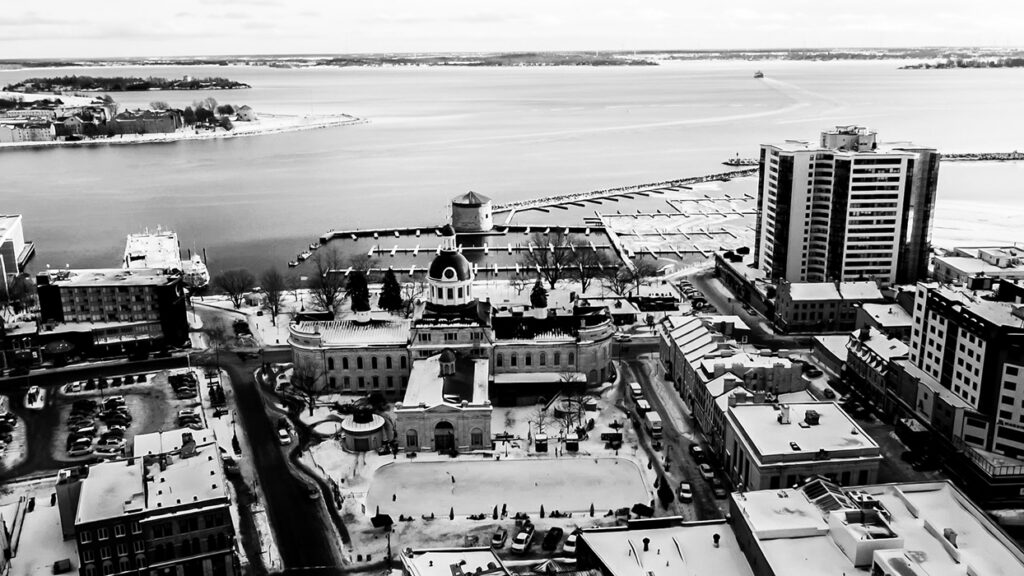
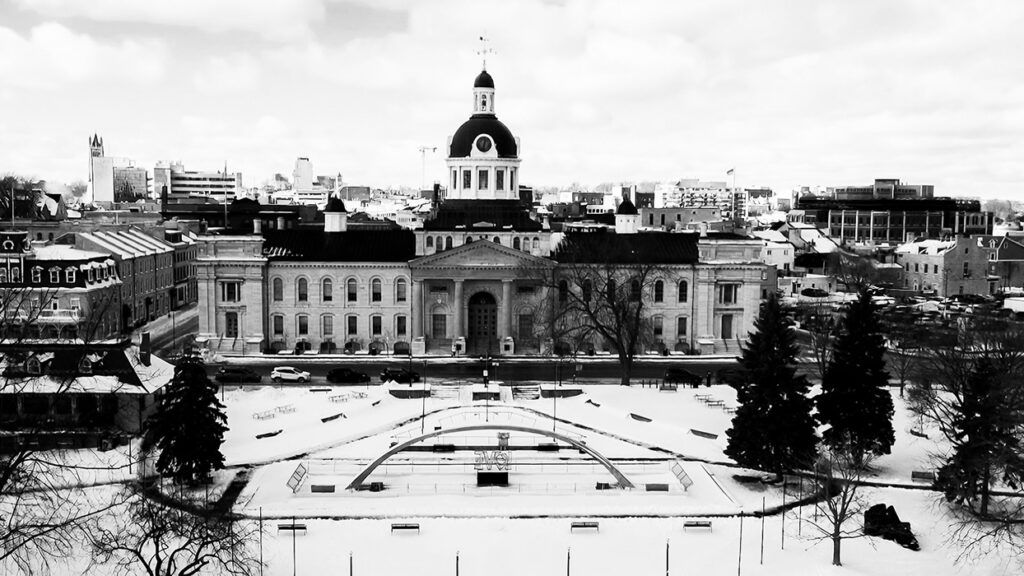
Tourism Kingston works out of a heritage building in the middle of the city I live in. I went to see them on a regular morning, met the team, talked with them about what changed when they put privacy pods into their office. The piece below is the case study I want practitioners to read, because Tourism Kingston is the kind of project that almost never gets written up. Small team. Beautiful, constraining building. Limited budget. And a decision that quietly changed how the team does its work.
I should name my vantage point. Kingston is my home. Tourism Kingston is the destination marketing organization for the city I live in, and the work they do shapes how the world sees a place I care about. I went into the project less as an industry observer and more as a neighbour, and I think the piece reads better for it.
The opening situation
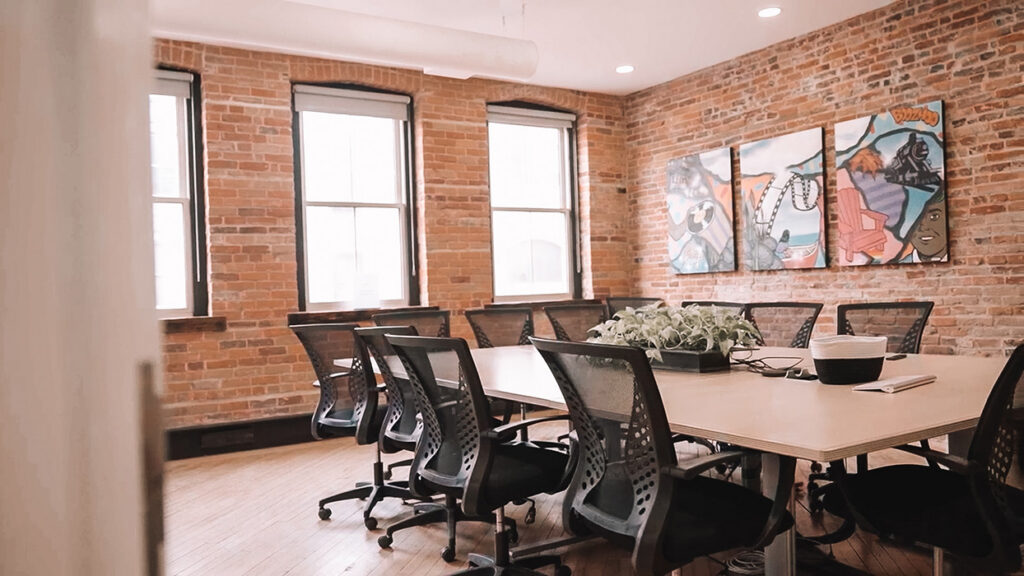
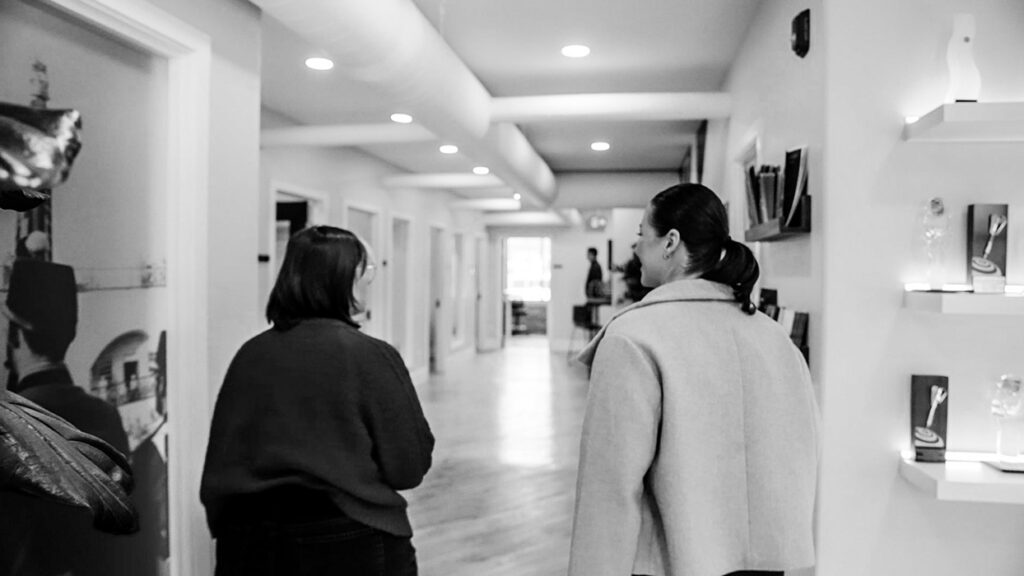
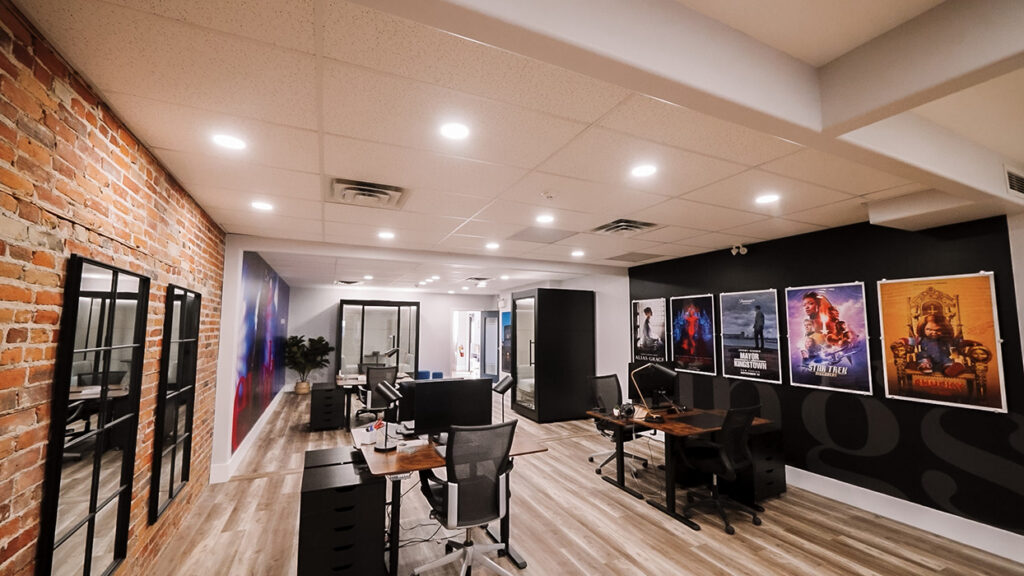
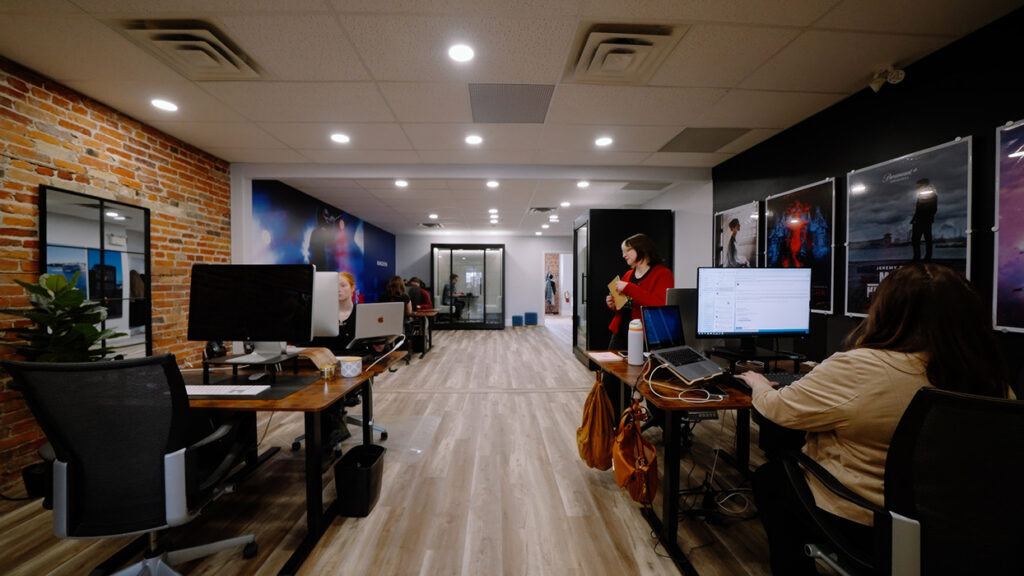
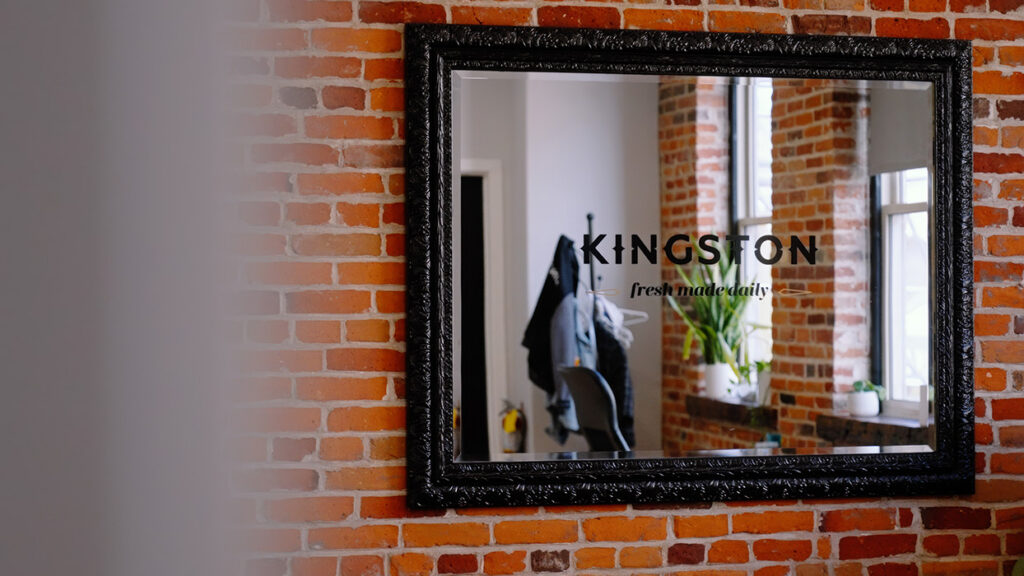
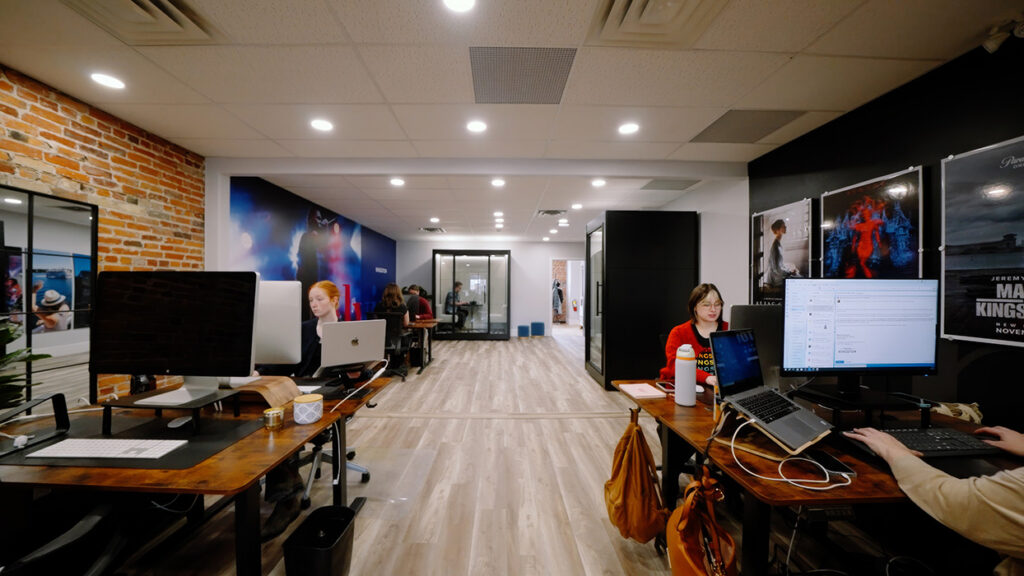
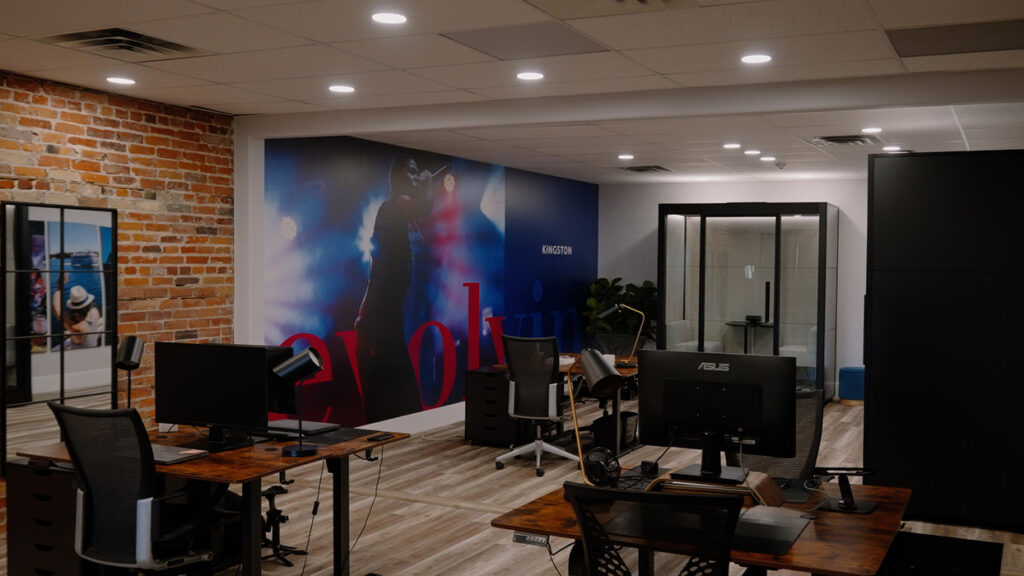
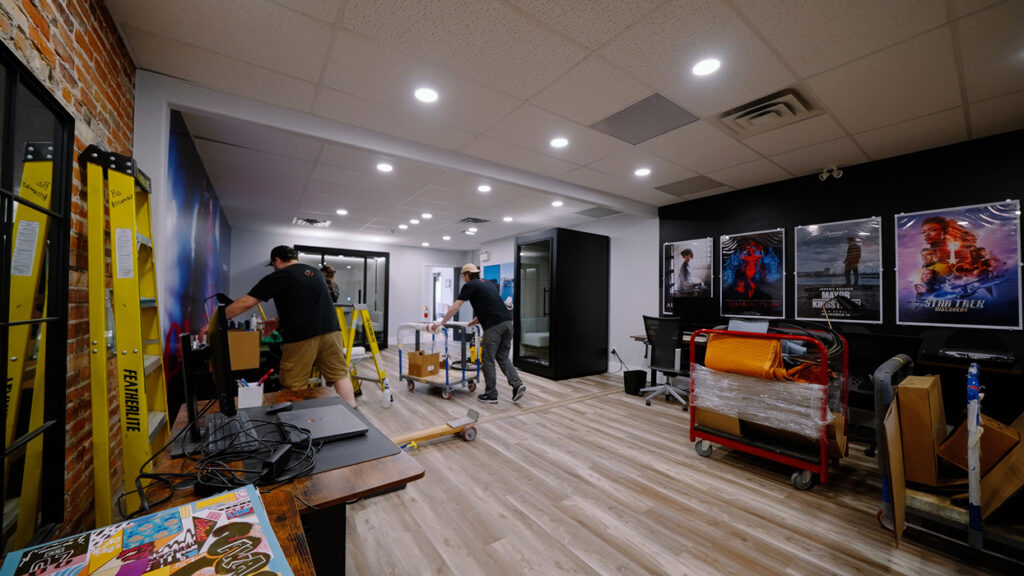
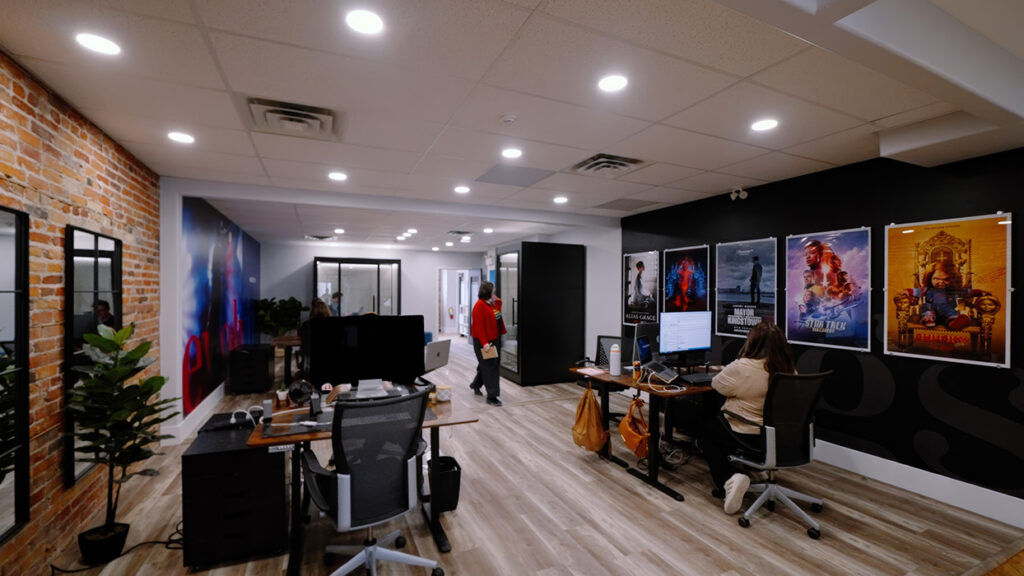
Tourism Kingston is a destination marketing organization with a growing team. The building they occupy is heritage, beautiful, energetic, and structurally inflexible. The kind of building that draws people to want to work there, and the kind of building that does not let you put up new walls without a long conversation, a long timeline, and a budget that does not match a DMO’s scale.
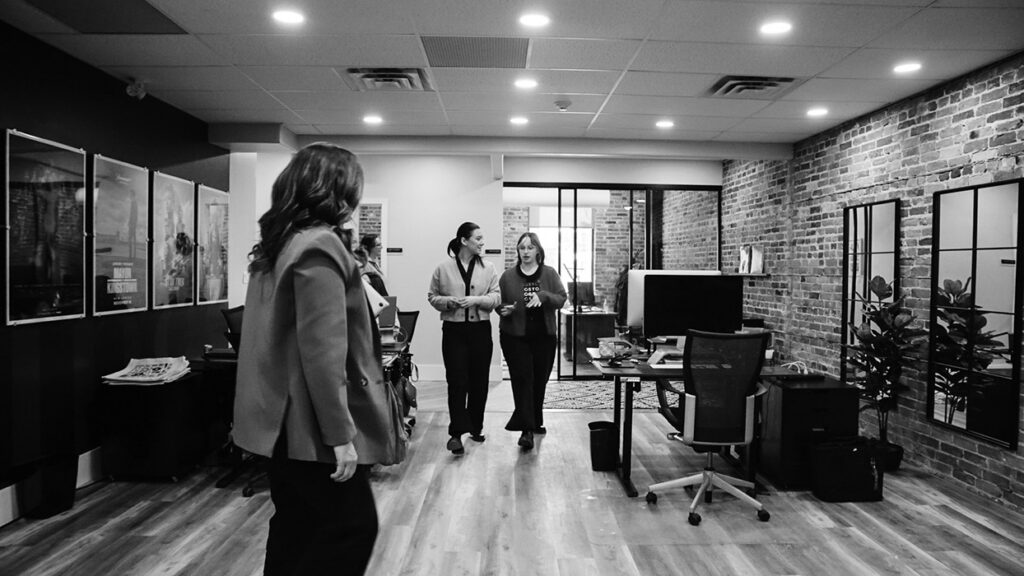
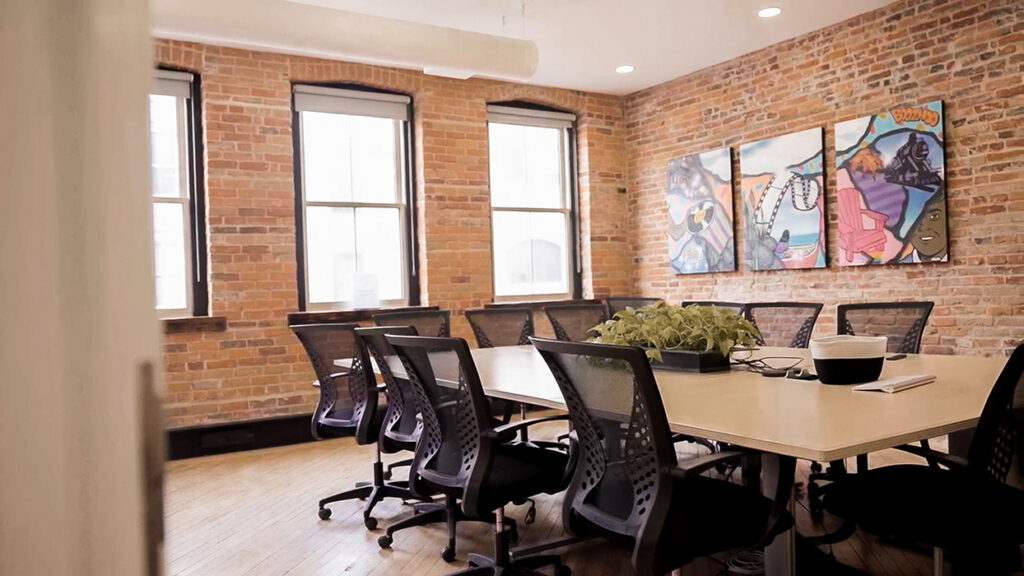
The team had landed in a familiar tension. The space was collaborative and lively, which mattered to the culture. It was also acoustically open, which made the work that requires concentration harder to do. As the team grew, the tension stopped being a quirk and became a structural problem. There were almost no places for a private call. No place for a virtual meeting that did not bleed into the desk three feet away. No place to lock in and finish something on deadline.
The quiet problem
In Designing Quiet terms, Tourism Kingston had landed at one edge of the privacy gradient. They had open desk territory, and they had one or two semi-enclosed corners. The rungs in the middle, the focused-but-not-formal rungs where most of their actual work lives, were not on the plan. The plan also could not be changed in the conventional way, because the building does not allow conventional change.
The other piece of the quiet problem is one that small teams feel more acutely than large ones. A team of two hundred people can ration access to enclosed rooms. A team of twelve has nowhere to ration. If the one private space is in use, the next person who needs privacy has no fallback. Choice, on a small floor, requires more options per occupant than it does on a large floor.
The decisions
Three decision points are worth pulling out.
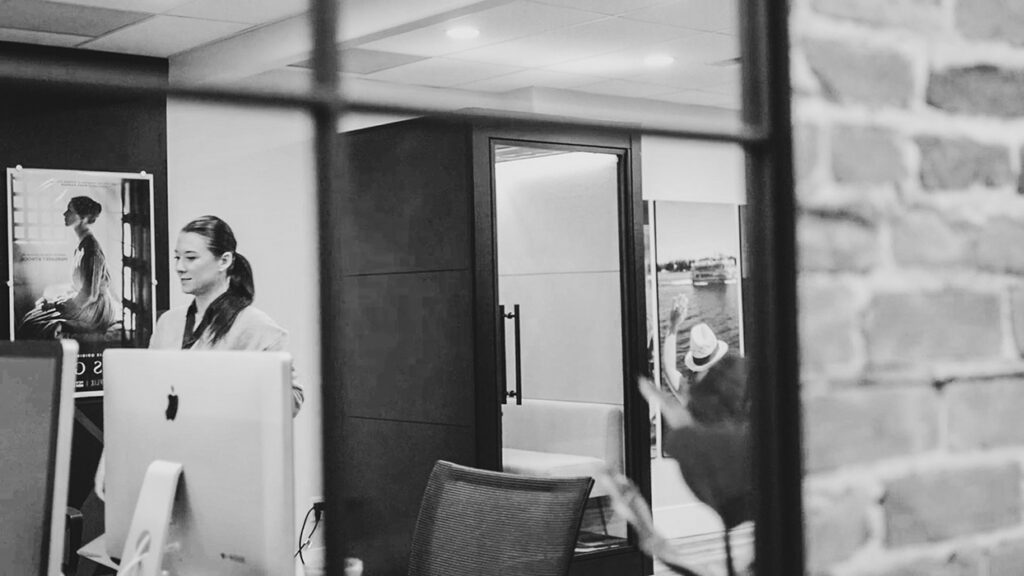
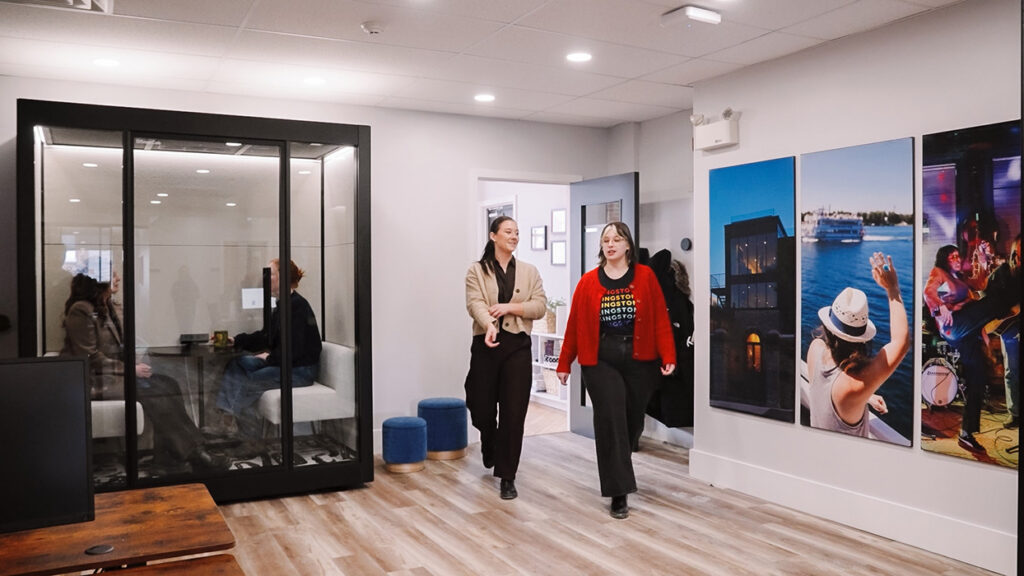
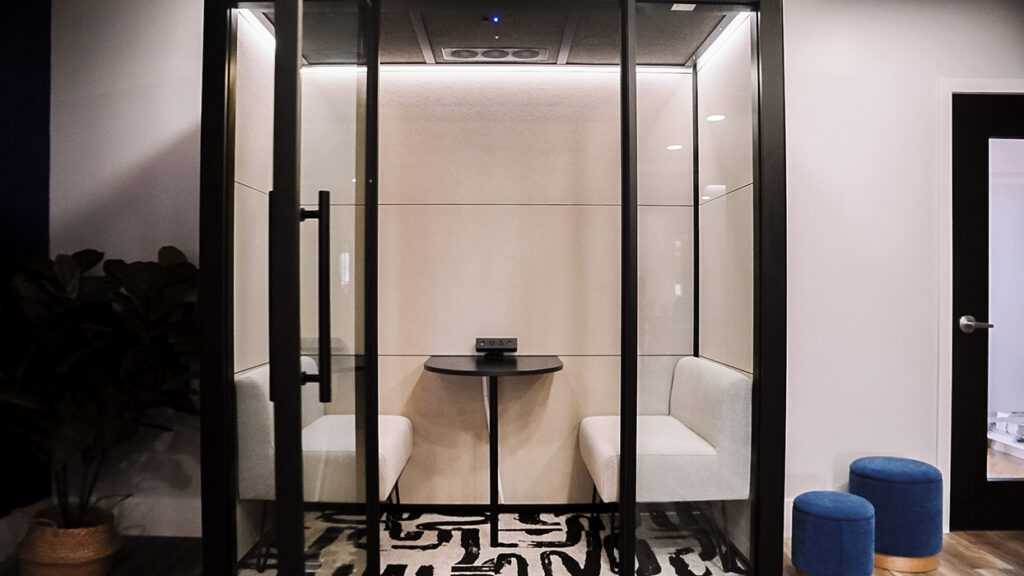
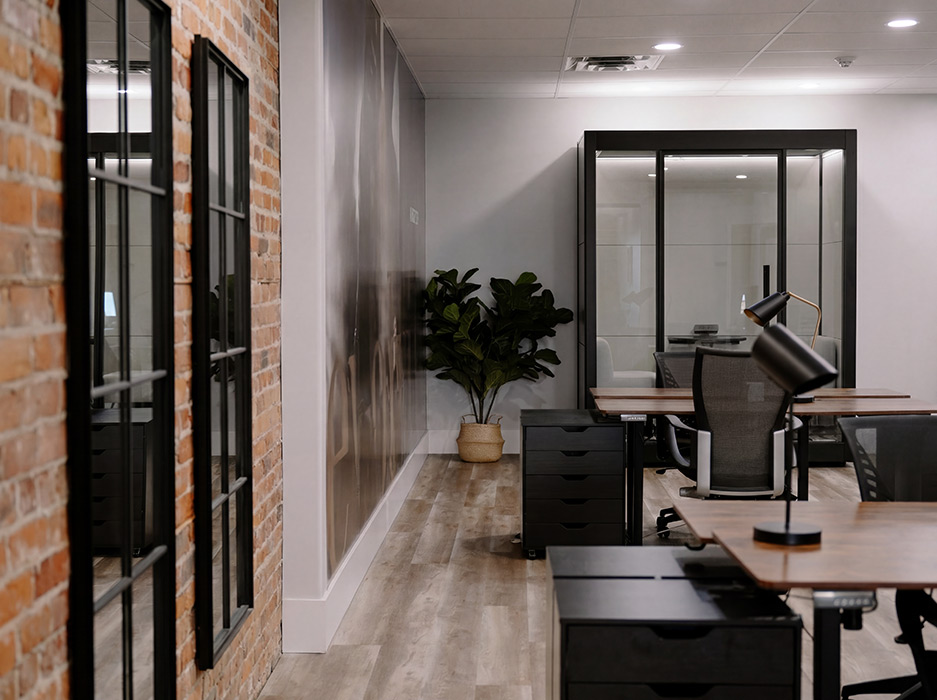
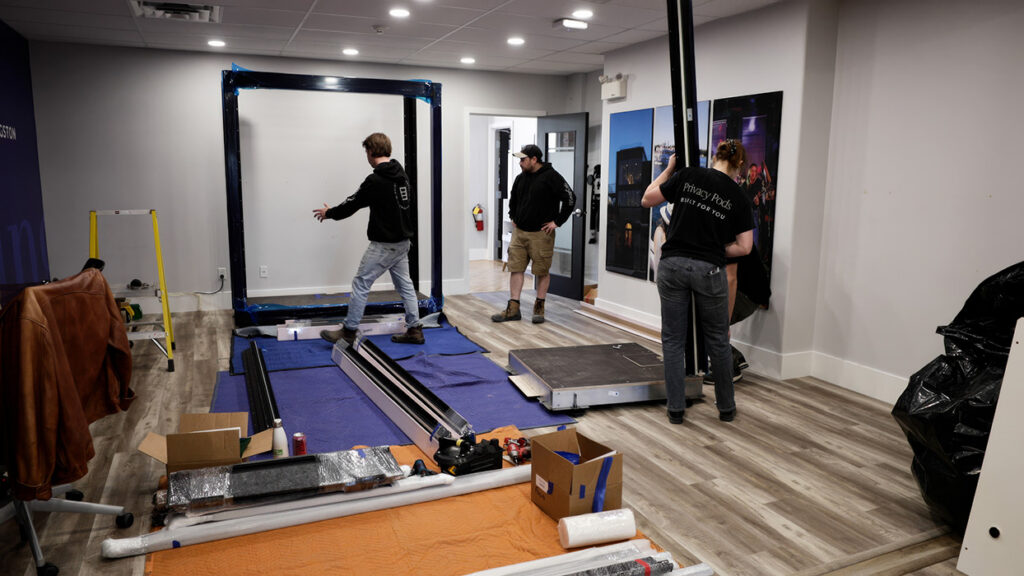
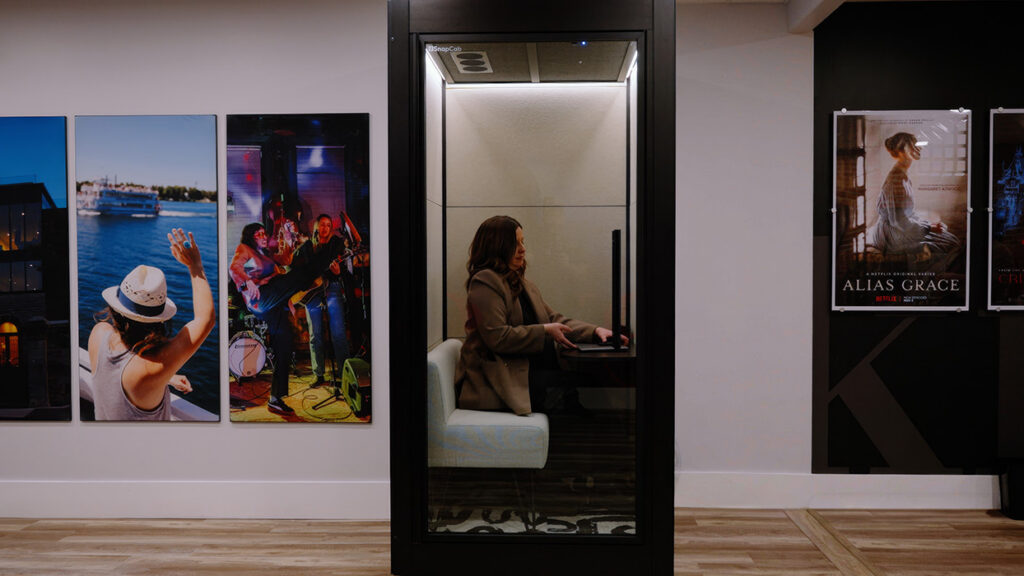
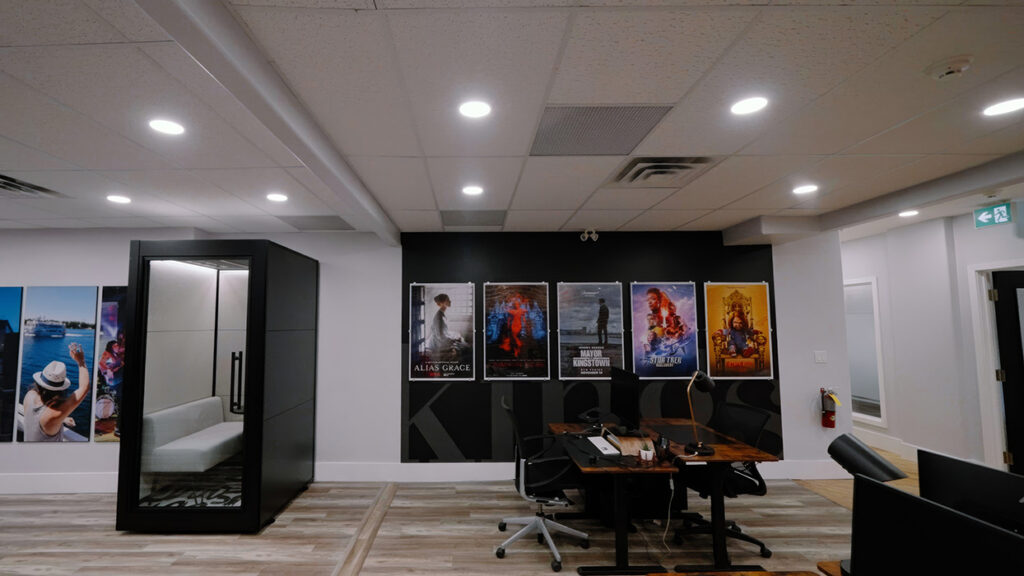
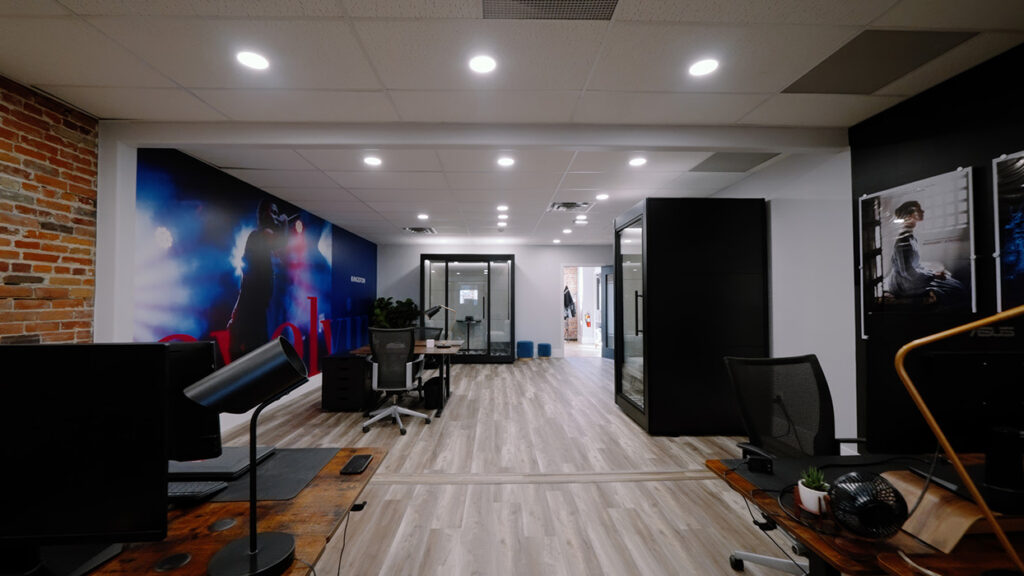
The first was choosing modular over renovation. The team could have spent the time and money to negotiate heritage approvals and frame in new rooms. They did not. They chose modular privacy pods, which sit on the existing floor, leave the heritage envelope untouched, and can be moved or reconfigured later without taking the building back into a planning conversation. That single decision is the one that made the project feasible at the budget and timeline available. It is also the one that almost every heritage-building project undercounts. Modular acoustic intervention is not a compromise. In a heritage building, it is often the only honest answer.
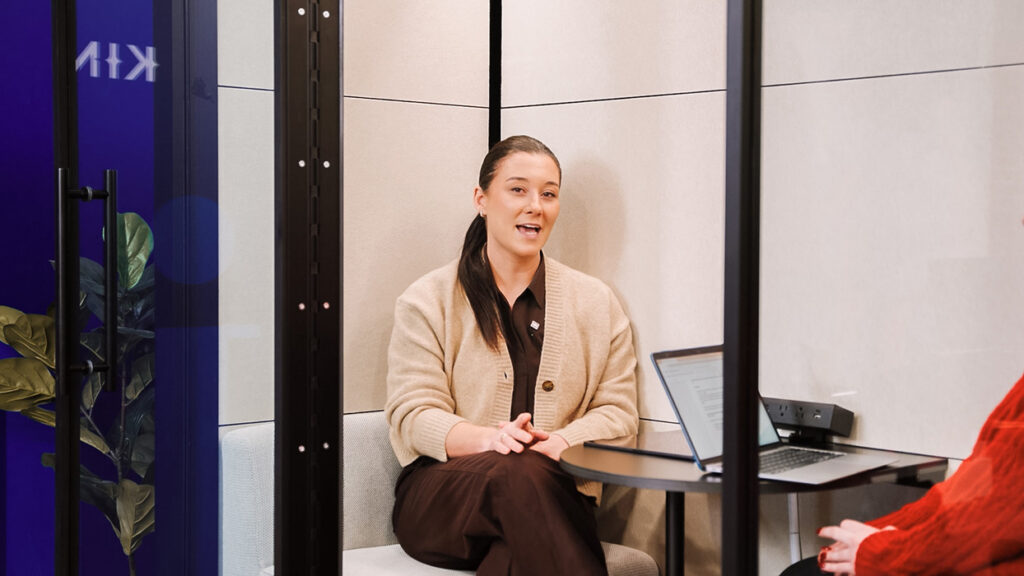
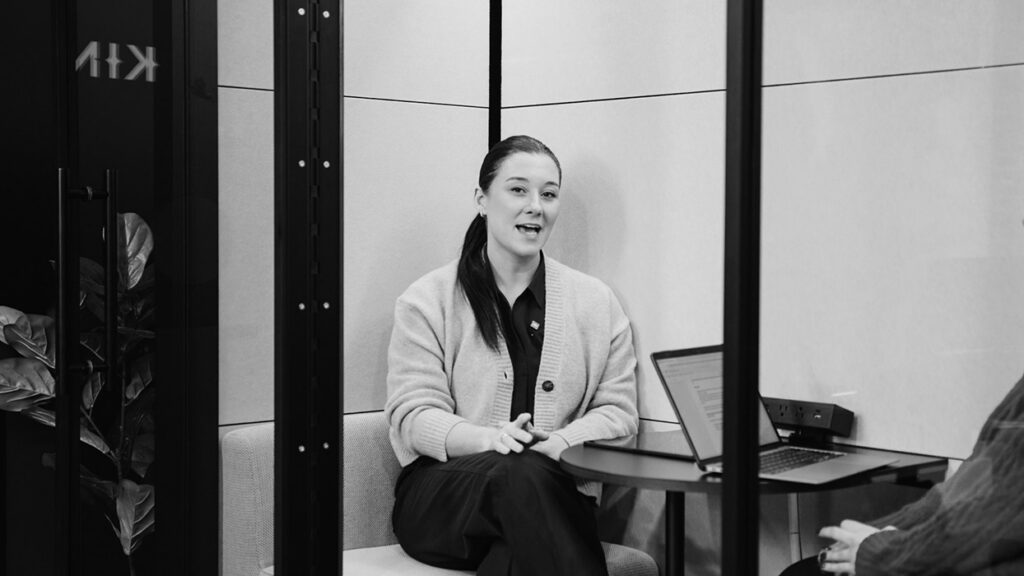
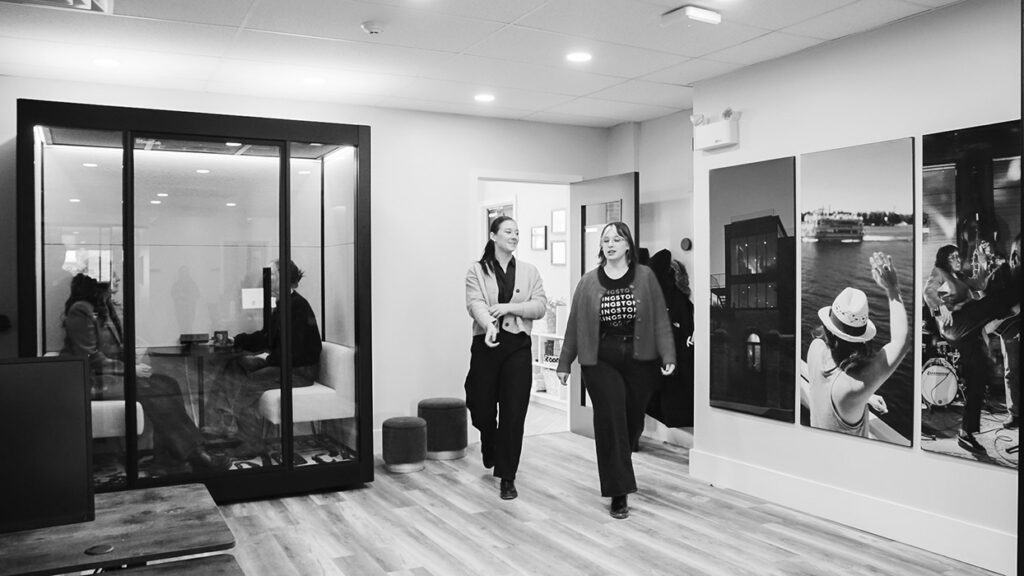
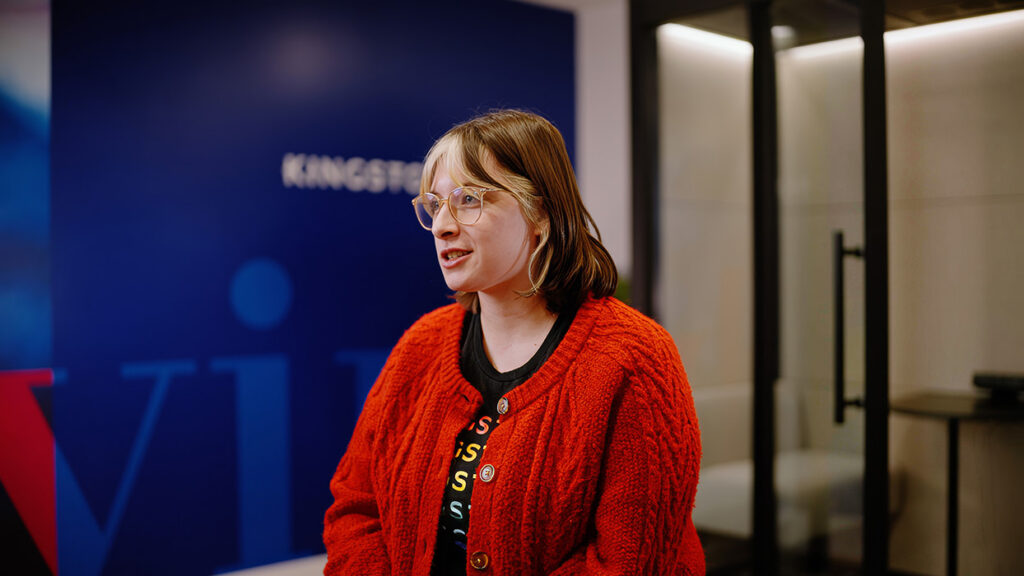
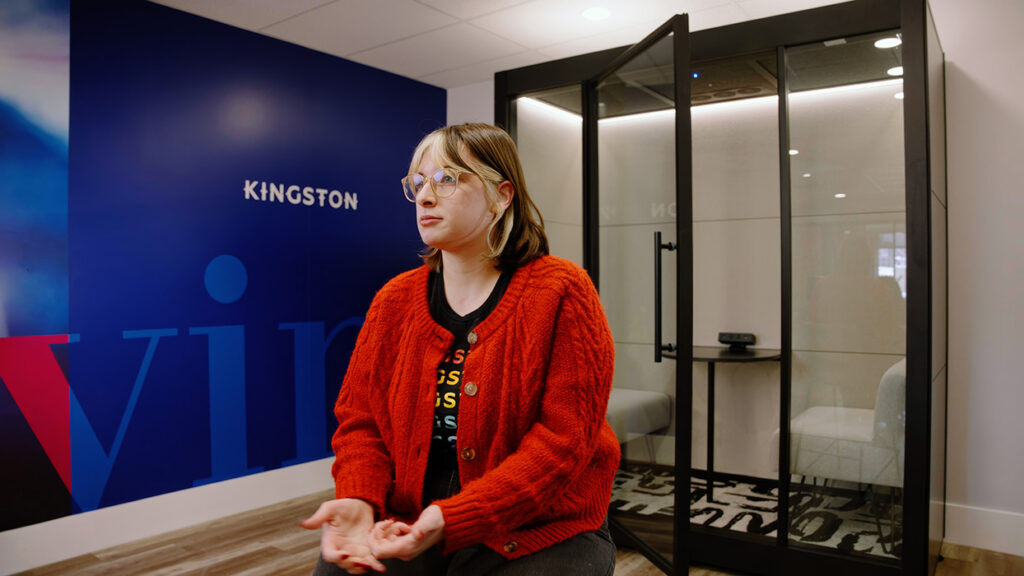
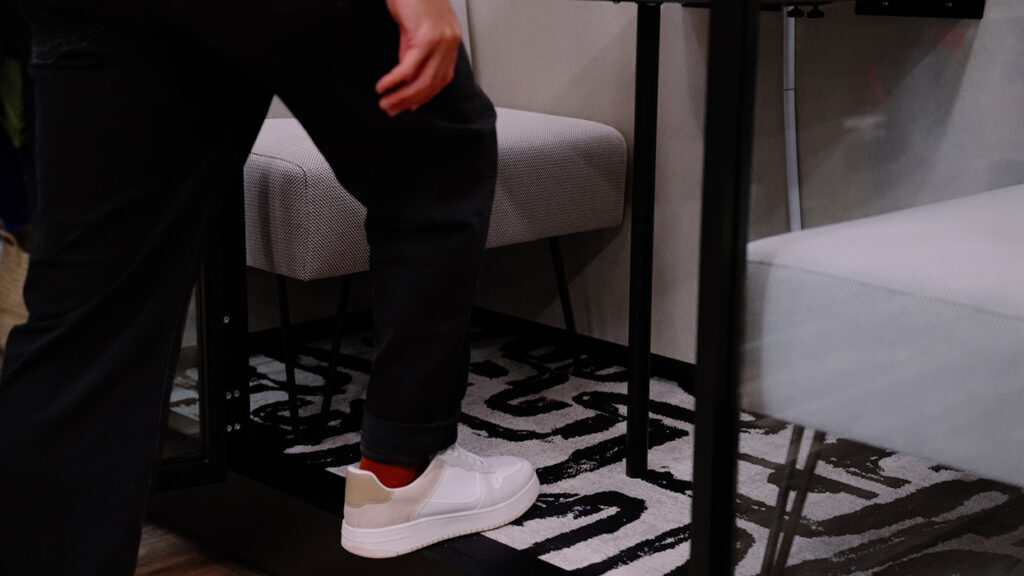
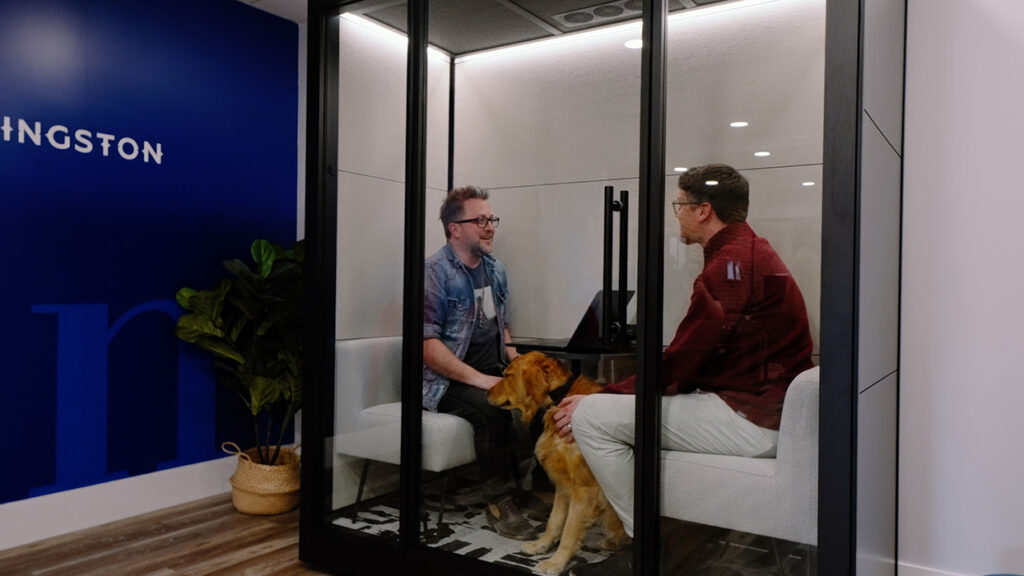
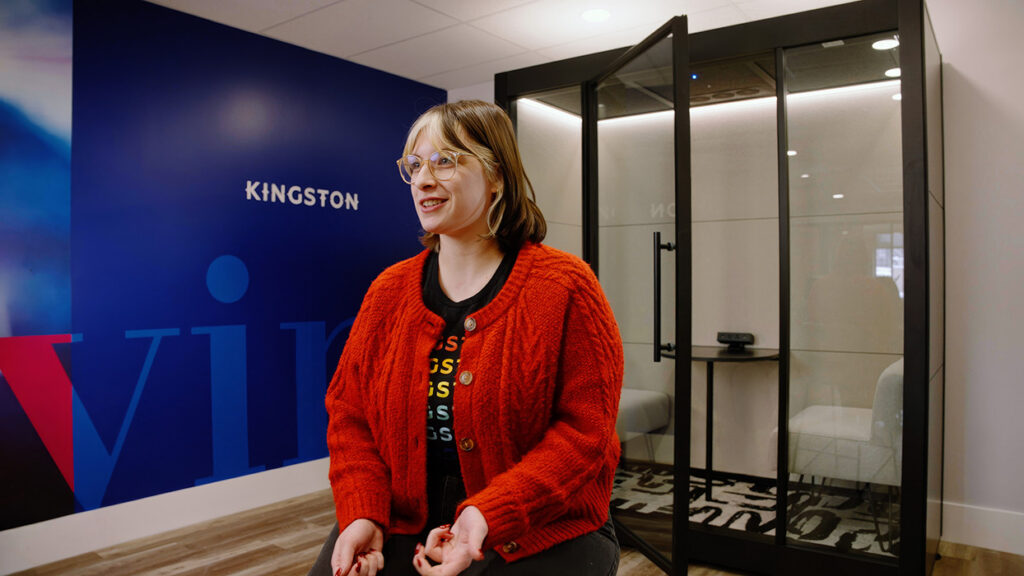
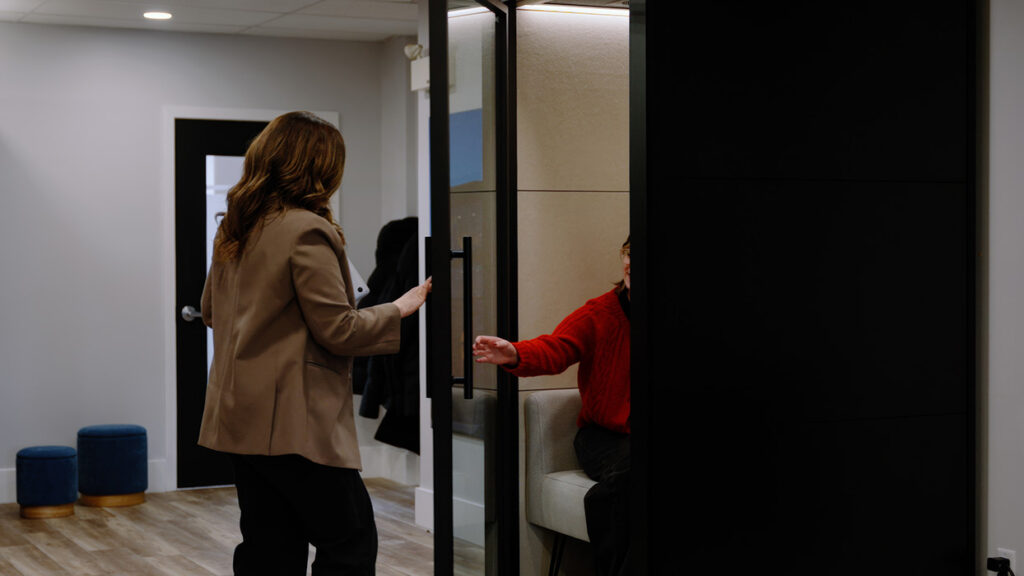
The second was treating choice as the core deliverable. Most pod projects get measured on acoustic performance and finish. Tourism Kingston measured the project on something different. When I sat with one of their team members and asked what changed, she did not lead with the sound. She led with the choice. In her words, having that choice and having that pod, it is great to know the pods are there. The pods gave the team a menu where there had been a single setting. Private call. Virtual meeting. A deep stretch of focused work. Each one a different rung of the gradient, each one available on demand.
That is the part of the project worth carrying into any small-team brief. Acoustic privacy is the visible deliverable. Agency over the work environment is the actual deliverable. The two are related, but they are not the same thing, and the team that names the second one explicitly tends to get more value from the first.
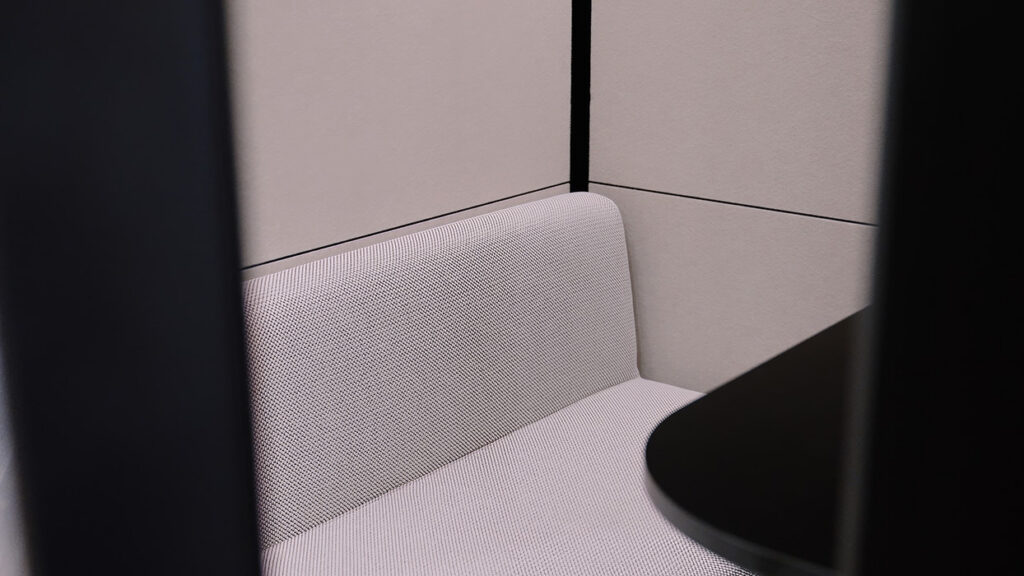
The third decision was honoring the building. The pods were chosen to sit inside the heritage envelope without competing with it. The finishes were calibrated to the architecture rather than to the manufacturer’s house style. The pods recede when they need to and read as part of the room when they need to. The heritage character of the building is one of the reasons people want to work at Tourism Kingston in the first place. Any acoustic intervention that overpowered the architecture would have undermined the culture the architecture supports.
What it looks like in use
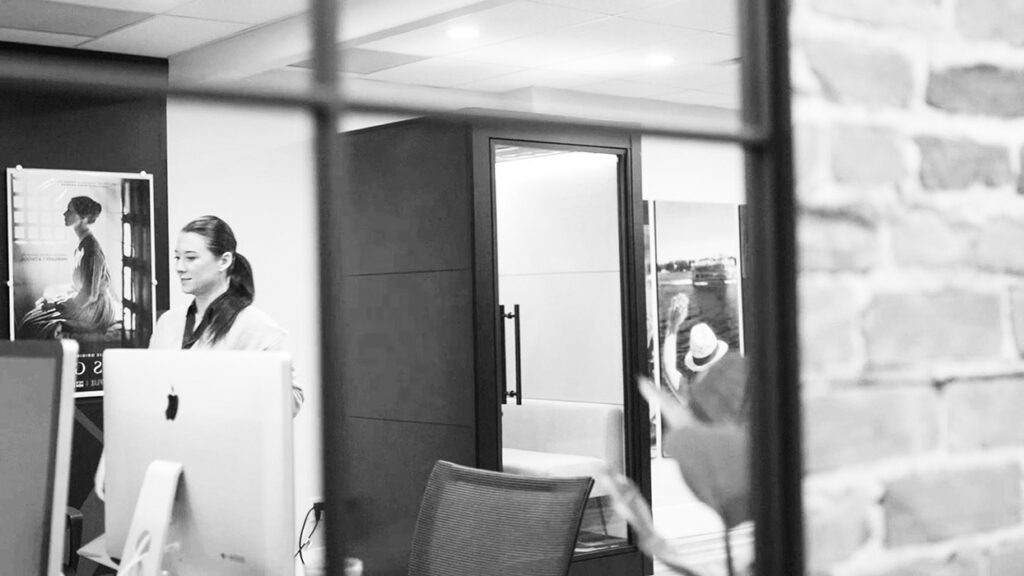
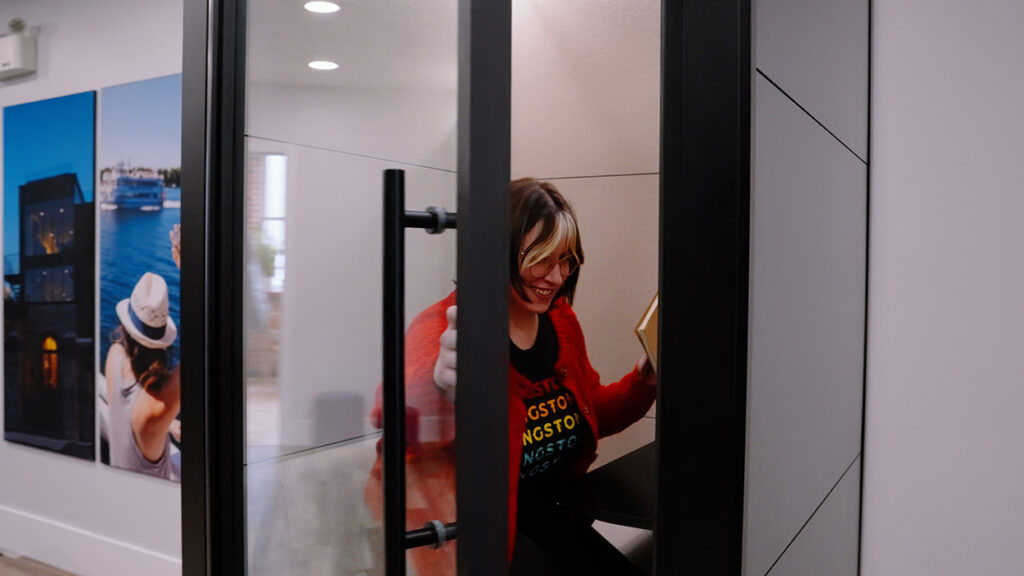
The moment from my visit I keep coming back to is this. One of the team members told me that she likes to talk out loud while she works. The pod gave her a place to do that without disturbing anyone. She said, with a small laugh, that she can act crazy and hear herself without freaking out. That is the kind of post-occupancy observation that does not appear in any acoustic spec sheet, and it tells you more about what the pods are actually doing for the team than any decibel reading would.
The other observation is one I have made on a number of small-team projects since. Pods on a small floor get used more often, by more of the team, for more different kinds of work, than pods on a large floor. The reason is that the small team feels the absence of options more directly. When the option arrives, the team uses it. The Tourism Kingston pods are not a backup. They are a working surface, used through the day, by most of the team, for most of the modes of work the team does.
The portable lesson
Two lines worth carrying into your next small-team project.
The first one came from inside the office, and I have not been able to let go of it. Quiet is not a luxury. It is not a nice-to-have. It is infrastructure, as essential to a modern team as the wifi and the meeting room. The teams that treat it that way build floors that work. The teams that treat it as amenity end up with floors that look beautiful and feel hard to think in.
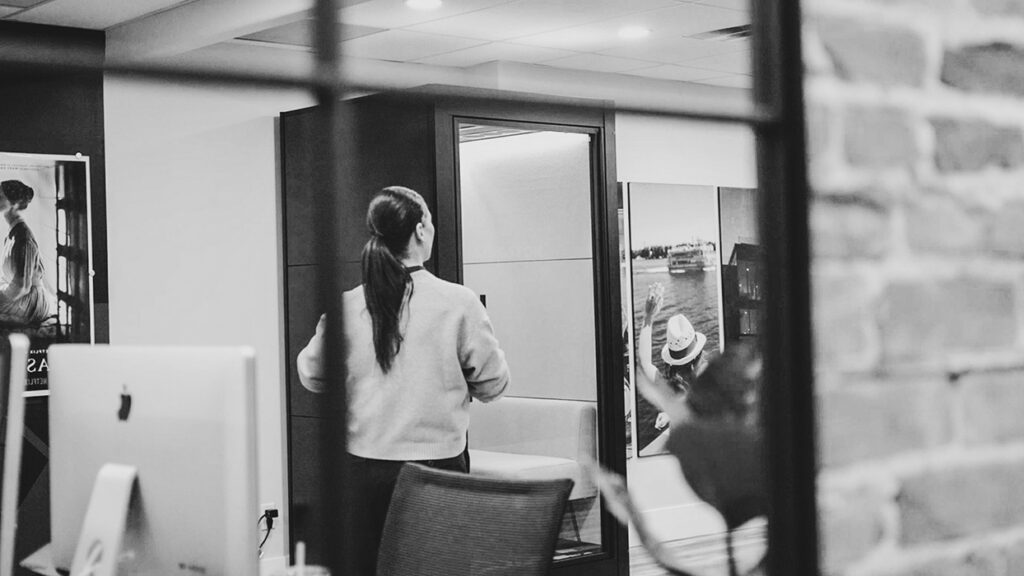
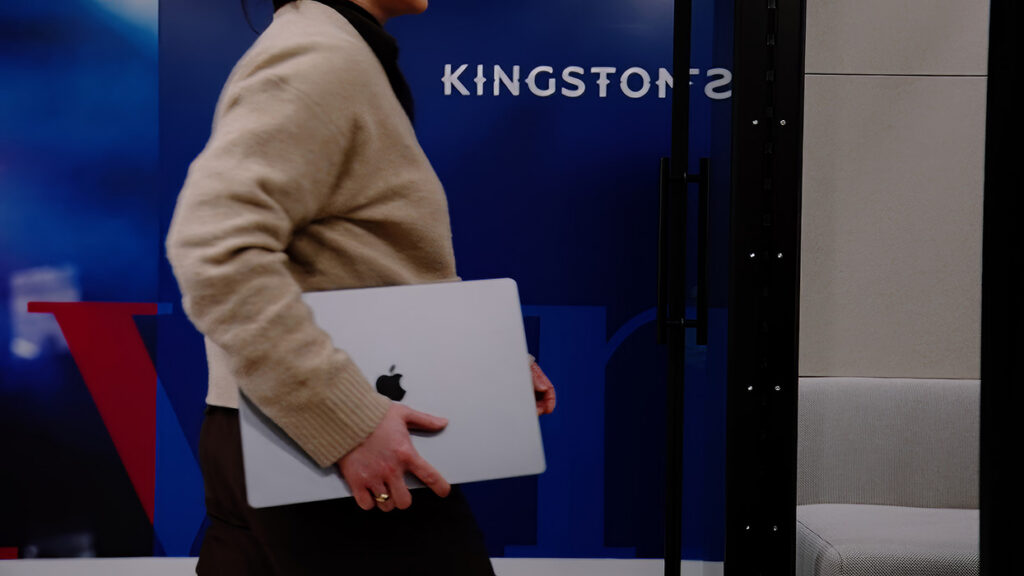
The second is about choice. In a small office, the project is not really privacy. The project is agency. The acoustic envelope is the mechanism. The deliverable is the moment when a team member walks across the room with her laptop and decides, in the middle of her workday, which mode of work she is about to do. That moment did not exist at Tourism Kingston before the pods went in. It does now. That is the change worth designing for.